Rosita, CO · Custer County
Basement Water Damage Restoration in Rosita, COBasement Dehumidification & Basement Floor Water Removal
Basement Water Damage Restoration in Rosita runs from basement water extraction and basement floor water removal to basement dehumidification.
Answered 24/7
Expert Basement Water Damage Restoration Serving Rosita
Basement Water Damage Restoration in Rosita covers finished and unfinished basements. A bare concrete basement can often be pumped and dried. A finished one usually needs carpet, pad and lower drywall removed so the walls and slab can dry.
Homeowners in Rosita can call (719) 666-5984 day or night when water is rising in the basement. Service also covers Silver Cliff, Westcliffe and Greenwood, with the same pumping and drying steps.
The Basement Water Damage Restoration Process in Rosita
Basement Dehumidification
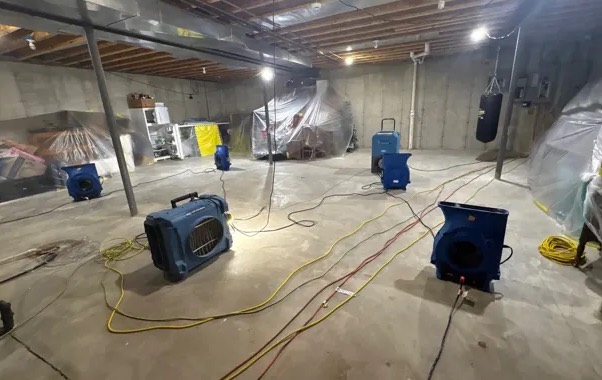
Large dehumidifiers pull moisture from the basement air so walls, framing and the slab can release their water.
Basement Floor Water Removal
A slab can look dry on top while still holding water. Moisture readings show when it is ready for new flooring.
Emergency Basement Flood Cleanup
A flooded basement can damage furnaces, water heaters and stored items quickly. Fast pumping limits how much is lost.
Basement Drying Services
Drying a basement takes longer than drying an upper floor because the air is cool and the concrete holds moisture.
Basement Sewer Backup Cleanup
Porous materials touched by sewage, such as carpet, pad and lower drywall, are removed. Concrete and framing are cleaned and disinfected.
How to Know You Need Basement Water Damage Restoration in Rosita
Standing Water in the Basement
Any standing water on the basement floor needs pumping right away, before it soaks walls and framing.
Sump Pump Failure or Overflow
A sump pump that runs constantly, fails to start or lets the pit overflow puts the basement at risk.
Efflorescence on Concrete Walls
White, chalky deposits on concrete walls mean water is moving through the concrete and leaving minerals behind.
Damp or Musty Odors
A damp, earthy or musty smell in the basement often means hidden moisture in walls, carpet or the slab.
How Basement Water Damage Restoration Works in Rosita
Step 1: Floodwater Pump-Out
Submersible pumps remove deep water, and electrical hazards are checked before anyone walks in it.
Step 2: Deep Moisture Extraction
Extractors pull water from carpet, pad and the concrete floor after the deep water is gone.
Step 3: Air Circulation and Drying
Air movers keep dry air moving across walls and floors throughout the basement.
Step 4: Dehumidification and Verification
Dehumidifiers run until humidity and material readings confirm the basement is dry.
Typical Sources of Basement Water Damage in Rosita
High Water Table and Hydrostatic Pressure
A high water table pushes groundwater up through the slab and into the joints between wall and floor.
Clogged Floor Drains
A floor drain blocked by debris cannot carry off water from a leak or overflow, so it spreads across the basement floor.
Window Well Flooding
Window wells without drains or covers fill with rain and leak through basement windows.
Sump Pump Mechanical Failure
A sump pump that fails, loses power or is too small lets groundwater rise into the basement.
Residential and Commercial Basement Water Damage Restoration in Rosita
Residential Basement Water Damage Restoration
In homes, a flooded basement often means damaged carpet, drywall, a furnace or water heater and stored belongings. Water is pumped out, contents are moved and the space is dried.
Commercial Basement Water Damage Restoration
In commercial buildings, basements hold mechanical rooms, storage and sometimes offices. Water is removed and equipment areas are dried so systems can be checked and restarted.
DIY vs. Professional Basement Water Damage Restoration in Rosita
Sewage in a basement should not be cleaned up without gloves, boots and eye protection. For any backup through a floor drain or toilet, call local restoration pros.
Basement Water Damage Restoration Cost in Rosita, CO
Waterproofing or sump pump replacement is a separate cost from water removal and drying. In Rosita, both may be needed to prevent a repeat.
Access Complexity
Narrow stairs, low ceilings and stored contents can make the work slower.
Material Saturation
Finished basements with carpet, drywall and insulation take more removal work than bare concrete.
Affected Square Footage
Larger basements need more extraction, more drying equipment and more days of drying time.
Does Insurance Cover Basement Water Damage Restoration?
Coverage for groundwater seepage and backups varies widely between policies. Ask your adjuster whether your policy includes it before work begins.
Why Choose Local Pros for Basement Water Damage Restoration in Rosita
Water Type Handling
Clean water, gray water and sewage are each handled with the right protection and removal steps.
Containment Strategies
Plastic sheeting keeps contaminated areas separate from clean parts of the house.
Mold Prevention Focus
Fast drying is the main way to limit microbial growth in a below-grade space.
Round-the-Clock Emergency Basement Water Damage Restoration in Rosita
Every hour of standing water in a basement means more drywall and flooring to replace. Call (719) 666-5984 for basement water damage restoration in Rosita.
Call Now (719) 666-5984Local Basement Water Damage Restoration Coverage: Rosita and Beyond
Other places served are listed below, each with its own page.
- Basement Water Damage Restoration in Silver Cliff
- Basement Water Damage Restoration in Westcliffe
- Basement Water Damage Restoration in Greenwood
- Basement Water Damage Restoration in Wetmore
- Basement Water Damage Restoration in Hillside
- Basement Water Damage Restoration in Indian Hills
- Basement Water Damage Restoration in Cotopaxi
- Basement Water Damage Restoration in Coaldale
Your Basement Water Damage Restoration Questions Addressed
What health risks come with delayed basement flood cleanup?
Standing water and wet materials can support bacteria and microbial growth, and sewage carries contaminants that need disinfection.
Why is dehumidification so important after basement water removal?
Basements hold moisture in the air and concrete. Without dehumidifiers, walls and framing stay damp long after the water is gone.
Why is quick action important for below-grade flood restoration?
Basements dry slowly, so every hour of standing water adds days of drying and more material to replace.
What does below-grade moisture removal include beyond pumping?
Extracting carpet and pad, opening wet walls, running air movers and dehumidifiers, and checking readings until dry.
What is involved in basement water damage restoration?
Pumping out water, removing soaked materials, cleaning contaminated areas, drying walls, framing and concrete, and dehumidifying until readings are normal.