Hillside, CO · Fremont County
Basement Water Damage Restoration in Hillside, COBasement Dehumidification & Basement Sewer Backup Cleanup
Basement Water Damage Restoration in Hillside runs from basement water extraction and basement floor water removal to basement dehumidification.
Answered 24/7
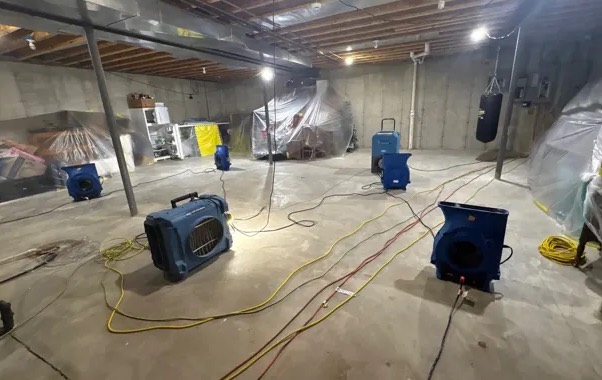
Basement Water Damage Restoration for Hillside Homes
Sewage backups are one of the most common problems in any basement or lower level, including in Hillside. Water coming up through a floor drain or basement toilet carries bacteria and needs a different cleanup than clean water.
Homeowners in Hillside can call (719) 666-5984 day or night when water is rising in the basement. Service also covers Cotopaxi, Texas Creek and Coaldale, with the same pumping and drying steps.
Complete Basement Water Damage Restoration for Hillside
Basement Dehumidification
Dehumidification continues until humidity and material readings are normal. Turning it off too early lets moisture return.
Basement Sewer Backup Cleanup
After a sewer backup, cleanup and disinfection come before drying, so contaminated surfaces are not left in place.
Basement Wall Drying
Concrete and block walls are dried with directed airflow and dehumidifiers, and checked with meters until readings drop.
Basement Mold Prevention
After drying, an antimicrobial can be applied to framing and concrete that were wet, to slow mold on surfaces that stay in place.
Basement Drying Services
Air movers and dehumidifiers are placed to dry walls, framing and the slab. Below-grade rooms dry slowly, so readings are taken daily.
Warning Signs You Need Basement Water Damage Restoration
Rusted Appliances or Pipes
Rust on the water heater, furnace base or pipes points to repeated moisture or past flooding.
Peeling Paint or Wallpaper
Paint that peels or blisters on basement walls often has moisture behind it.
Sump Pump Failure or Overflow
A sump pump that runs constantly, fails to start or lets the pit overflow puts the basement at risk.
High Humidity Levels Below-Grade
A basement that stays damp and clammy even on dry days has a moisture source that needs attention.
How Basement Water Damage Restoration Works in Hillside
Step 1: Water Removal
Pumps and extractors remove standing water from the basement floor, starting at the lowest point.
Step 2: Targeted Moisture Evaporation
Air movers are aimed at wet walls, framing and the slab to speed evaporation.
Step 3: Humidity Control
Large dehumidifiers pull moisture from the basement air, with readings checked every day.
Step 4: Final Verification and Restoration
Final readings confirm the basement is dry, and the space is ready for drywall and flooring repairs.
Frequent Sources of Water Damage in Hillside
Window Well Flooding
Window wells without drains or covers fill with rain and leak through basement windows.
Faulty Basement Waterproofing
Old or failed waterproofing on foundation walls lets water through during wet weather.
Clogged Floor Drains
A floor drain blocked by debris cannot carry off water from a leak or overflow, so it spreads across the basement floor.
Water Heater or Appliance Leaks
Water heaters, washers and utility sinks in the basement can leak or fail without warning.
Both Residential & Commercial Basement Water Damage Restoration in Hillside
Residential Basement Water Damage Restoration
In homes, a flooded basement often means damaged carpet, drywall, a furnace or water heater and stored belongings. Water is pumped out, contents are moved and the space is dried.
Commercial Basement Water Damage Restoration
In commercial buildings, basements hold mechanical rooms, storage and sometimes offices. Water is removed and equipment areas are dried so systems can be checked and restarted.
Basement Water Damage Restoration: Professional Help vs. Doing It Yourself in Hillside
Do not walk into standing basement water if outlets, cords or appliances are submerged. Shut off power at the panel if you can reach it safely, then call (719) 666-5984.
Factors Affecting Basement Water Damage Restoration Cost in Hillside
Waterproofing or sump pump replacement is a separate cost from water removal and drying. In Hillside, both may be needed to prevent a repeat.
Material Saturation
Finished basements with carpet, drywall and insulation take more removal work than bare concrete.
Affected Square Footage
Larger basements need more extraction, more drying equipment and more days of drying time.
Secondary Damage
Damage to furnaces, water heaters and belongings adds repair and replacement costs.
Does Insurance Cover Basement Water Damage Restoration?
Coverage for groundwater seepage and backups varies widely between policies. Ask your adjuster whether your policy includes it before work begins.
Benefits of Local Pros for Basement Water Damage Restoration in Hillside
Mold Prevention Focus
Fast drying is the main way to limit microbial growth in a below-grade space.
Industry Drying Standards
Drying follows industry water damage standards, with readings taken at every visit.
Structural Integrity Assessment
Walls, stairs and framing are checked for damage before work begins in the basement.
Round-the-Clock Emergency Basement Water Damage Restoration in Hillside
Storm night, weekend or holiday, local restoration pros handle flooded basements in Hillside. Call (719) 666-5984 to get the pumps running and the water out.
Call Now (719) 666-5984Basement Water Damage Restoration Serving Hillside, Cotopaxi, Texas Creek and Coaldale
Besides Hillside, local restoration pros handle basement pumping, drying and dehumidification in nearby Cotopaxi, Texas Creek and Coaldale.
- Basement Water Damage Restoration in Cotopaxi
- Basement Water Damage Restoration in Texas Creek
- Basement Water Damage Restoration in Coaldale
- Basement Water Damage Restoration in Westcliffe
- Basement Water Damage Restoration in Silver Cliff
- Basement Water Damage Restoration in Brookside
- Basement Water Damage Restoration in Cañon City
- Basement Water Damage Restoration in Lincoln Park
- Emergency Damage Restoration in 81232
- Storm Damage Restoration in 81232
- Water Damage Restoration in 81232
- Water Extraction Service in 81232
- Water Leak Detection in 81232
- Water Removal Service in 81232
Frequently Asked Questions About Basement Water Damage Restoration
Is basement floor water removal different from carpet extraction?
Yes. Bare concrete is squeegeed and dried, while carpet and pad need extraction, and the pad is usually replaced.
How is basement sewer backup cleanup different from regular flooding?
Sewage carries bacteria, so it needs protective gear, removal of porous materials and disinfection before drying.
What does below-grade moisture removal include beyond pumping?
Extracting carpet and pad, opening wet walls, running air movers and dehumidifiers, and checking readings until dry.
How long does below-grade drying take after a flood?
Often several days or longer, since concrete and cool basement air dry slowly. Daily readings show progress.
What causes the most common below-grade leaks in homes?
Sump pump failures, foundation cracks, clogged drain tile, sewer backups and burst pipes in the basement ceiling.