Vineland, CO · Pueblo County
Attic Water Damage Restoration in Vineland, COAttic Drying Services & Roof Leak Water Removal
Get attic water damage restoration in Vineland for emergency attic water extraction, wet attic insulation removal and attic mold prevention.
Answered 24/7
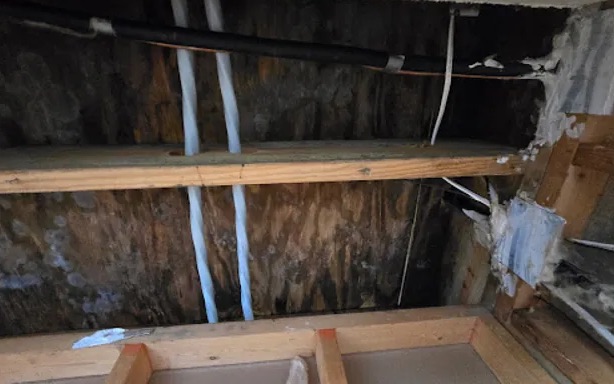
Expert Attic Water Damage Restoration Serving Vineland, CO
Attics hide water well. Insulation absorbs it, wood soaks it up, and nobody goes up there often. In Vineland, the first sign is usually a ceiling stain, a musty smell upstairs or a drip during heavy rain.
In Vineland, Avondale, Blende and Salt Creek, many attics hold air handlers and water heaters as well as insulation. The pros handle water from any of them, along with roof leaks.
Available Attic Water Damage Restoration Work in Vineland
Attic Drying Services
Attic drying targets the wood framing and the ceiling below, with readings taken until both return to normal levels.
Roof Leak Water Removal
A tarp can be placed over the damaged roof section to stop more rain from getting in while drying begins below.
Wet Attic Insulation Removal
Insulation that stayed wet for days is removed rather than dried, since it rarely recovers and keeps the ceiling drywall damp.
Attic Moisture Inspection
Readings are recorded before and during drying, giving you and your insurer a clear record of the attic damage.
Ceiling Water Damage Cleanup
A ceiling stained or soaked from an attic leak is drained safely, and sagging drywall is cut out before it falls into the room.
Do You Need Attic Water Damage Restoration in Vineland?
Wet or Sagging Insulation
Insulation that looks matted, dark or compressed, or sags between joists, has absorbed water.
Increased Humidity Upstairs
Upstairs rooms that feel clammy even with the AC on may have moisture coming from the attic.
Sagging or Bowed Roof Decking
Roof decking that sags or bows between rafters may be soaked or starting to rot.
Dripping Sounds From Ceiling
Dripping or tapping sounds above the ceiling, especially during rain, mean water is getting in.
How Attic Water Damage Restoration Works in Vineland
Step 1: Emergency Attic Water Extraction
Active drips are caught, pooled water is removed from decking and drywall tops, and power to wet fixtures is checked.
Step 2: Attic Moisture Inspection and Mapping
Meters and thermal cameras map wet insulation, wood and ceiling drywall from the leak point outward.
Step 3: Structural Drying and Dehumidification
Air movers and dehumidifiers dry rafters, joists and decking, with equipment set on safe footing.
Step 4: Final Verification and Documentation
Readings confirm the attic and ceiling are dry, and photos and logs are provided for insurance.
Frequent Origins of Attic Flooding
Burst or Leaking Plumbing Pipes
Supply lines and water heaters in the attic can leak or burst directly onto the ceiling.
Improperly Sealed Roof Penetrations
Gaps around vents, pipes and antennas that pass through the roof let water in when seals fail.
Storm Damage From Wind or Hail
Wind and hail can tear shingles or puncture the roof, letting rain in during the storm.
Failing Roof Valley or Flashing
Worn flashing around valleys, chimneys and skylights lets water run into the attic.
Home and Business Attic Water Damage Restoration Services
Residential Attic Water Damage Restoration
For townhomes and condos, an attic leak can cross into a neighbor's space. Fast drying and clear records help sort out repairs with the association.
Commercial Attic Water Damage Restoration
Property managers get photos and readings for each affected unit or suite, which simplifies insurance claims and roof repair planning.
Why DIY Attic Water Damage Restoration Often Fails in Vineland
Fans in the room below will not dry an attic. The wood and insulation above need dehumidifiers and air movers placed in the attic, with readings to confirm they are dry.
Cost Considerations for Attic Water Damage Restoration Work
The cost of attic water damage restoration in Vineland depends on how much of the attic got wet, whether insulation and ceiling drywall must come out, and how long drying takes.
Size and Accessibility
Low, tight attics take longer to work in than tall attics with easy access.
Required Drying Time
Dense wood framing can take several days to dry, adding equipment time.
Affected Attic Materials
Wet insulation, decking and ceiling drywall that must be removed add labor and disposal costs.
Does Insurance Cover Attic Water Damage Restoration?
Insurers often ask what caused the leak and how long it ran. Notes on the leak point and the condition of the roof help answer those questions.
Why Choose Local Pros for Attic Water Damage Restoration in Vineland
Wet Insulation Handling
Wet insulation is bagged and removed carefully, keeping debris out of the living space.
Mold Prevention Focus
Fast drying of wood framing is the main way to limit microbial growth after a leak.
Full Attic Assessment
The whole attic is checked, from the roof deck to the ceiling below, not just the leak spot.
24/7 Attic Water Damage Restoration Response for Vineland
Water dripping from your ceiling in Vineland? Put a bucket under it, move belongings and call (719) 666-5984. Help for attic leaks is available 24/7.
Call Now (719) 666-5984Local Attic Water Damage Restoration Coverage Area
Each place listed below has its own page with local details.
- Attic Water Damage Restoration in Avondale
- Attic Water Damage Restoration in Blende
- Attic Water Damage Restoration in Salt Creek
- Attic Water Damage Restoration in Pueblo
- Attic Water Damage Restoration in Boone
- Attic Water Damage Restoration in Roxborough Park
- Attic Water Damage Restoration in Simla
- Attic Water Damage Restoration in Castle Pines
Attic Water Damage Restoration Information and Answers
What are common signs of poor attic ventilation?
Damp or dark roof decking, rusted nails, musty smells and condensation on the underside of the roof.
Does a roof leak always cause attic mold growth?
No. Mold is more likely when wood and insulation stay wet for days, so drying is the main way to prevent it.
What is involved in emergency attic water extraction?
Catching active drips, removing pooled water from decking and drywall tops, and starting drying before the ceiling below is ruined.
How long does the attic drying process take?
Often several days, depending on how wet the wood is, the attic temperature and how much insulation was removed.
How do I know the attic is completely dry?
Moisture readings on decking, rafters and the ceiling are compared to unaffected dry areas until they match.