Salt Creek, CO · Pueblo County
Attic Water Damage Restoration in Salt Creek, COCeiling Water Damage Cleanup & Wet Attic Insulation Removal
Attic Water Damage Restoration in Salt Creek runs from roof leak water removal and attic leak water cleanup to attic drying services.
Answered 24/7
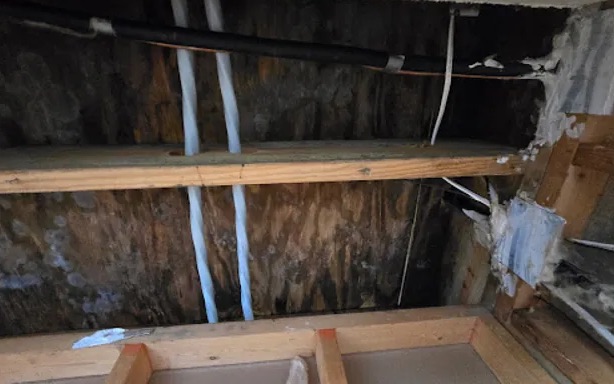
Local Attic Water Damage Restoration for Salt Creek Homes
Attic Water Damage Restoration in Salt Creek deals with leaks from roofs, attic plumbing, AC drain pans and bathroom exhaust ducts. Each one leaves water on the attic floor and in the insulation, and each one needs a different fix at the source.
In Salt Creek, attic water damage often shows up as a ceiling stain after heavy rain. Local restoration specialists serve Salt Creek, Blende, Pueblo and Vineland, finding the leak point and drying the wood, insulation and drywall.
The Attic Water Damage Restoration Process in Salt Creek, CO
Ceiling Water Damage Cleanup
Small ceiling stains can often be dried in place and sealed. Sagging, soft or crumbling drywall is replaced.
Wet Attic Insulation Removal
Wet fiberglass batts lose their insulating value and hold water against the ceiling. Soaked sections are bagged and removed so the area underneath can dry.
Attic Leak Water Cleanup
Leak cleanup in an attic means working between joists and around ducts, wiring and insulation, removing water from every spot it pooled.
Attic Drying Services
Air movers and dehumidifiers dry rafters, joists and roof decking. Attic heat speeds drying in summer, while cooler months need more dehumidification.
Roof Leak Water Removal
A roof leak often drips in one spot but spreads along rafters and decking. The pros follow the water path to find every wet area.
Signs of Attic Water Damage in Salt Creek Homes
Visible Mold in Attic
Dark spots on roof decking or rafters mean the wood has stayed damp for some time.
Wet or Sagging Insulation
Insulation that looks matted, dark or compressed, or sags between joists, has absorbed water.
Musty Odors in Home
A musty or damp smell on the upper floor can point to wet insulation or wood in the attic.
Crumbling Drywall Tape
Ceiling drywall tape that bubbles, cracks or peels usually means water is soaking the seams.
How Attic Water Damage Restoration Works in Salt Creek
Step 1: Source Stop and Water Extraction
A tarp is placed over roof damage or the pipe is shut off, and water in the attic is removed.
Step 2: Removal of Damaged Materials
Ruined insulation and sagging ceiling drywall are removed to stop further damage and open the area to air.
Step 3: Attic Drying
Dehumidifiers and air movers run until wood framing and decking return to normal moisture levels.
Step 4: Cleaning and Odor Removal
Debris is cleared, dust is cleaned from the room below, and musty odors are addressed.
Why Attics Get Water Damage in Salt Creek
Storm Damage From Wind or Hail
Wind and hail can tear shingles or puncture the roof, letting rain in during the storm.
Overflow From Bathroom Exhaust Fans
Bathroom fans that vent into the attic, or have disconnected ducts, release moisture onto the decking.
Ice Dam Formation on Roof
Ice dams at the roof edge force melting snow back under the shingles and into the attic.
Improperly Sealed Roof Penetrations
Gaps around vents, pipes and antennas that pass through the roof let water in when seals fail.
Home and Business Attic Water Damage Restoration Services
Residential Attic Water Damage Restoration
Homeowners often store boxes and holiday items in the attic. Wet belongings are moved out and dried or discarded before work on the insulation and framing starts.
Commercial Attic Water Damage Restoration
Offices and stores with roof leaks need the area below protected during work. Drying is planned around business hours where possible to keep the space open.
Why DIY Attic Water Damage Restoration Often Fails in Salt Creek
If a ceiling is bulging with water, do not stand under it. Place a bucket nearby, keep people away and call local restoration specialists to drain and remove it safely.
Attic Water Damage Restoration Cost in Salt Creek, CO
An attic leak caught after the first storm costs less to fix in Salt Creek than one that soaked insulation and decking for a whole season.
Ceiling Repair Needs
Replacing, taping and painting ceiling drywall after drying adds to the total.
Required Drying Time
Dense wood framing can take several days to dry, adding equipment time.
Affected Attic Materials
Wet insulation, decking and ceiling drywall that must be removed add labor and disposal costs.
Does Insurance Cover Attic Water Damage Restoration?
Many homeowner policies cover sudden roof leaks from storms and burst attic pipes, but not damage from worn-out roofing or slow leaks. Read your policy and call your insurer early.
Advantages of Hiring Local Pros for Attic Water Damage Restoration
Ceiling Damage Mitigation
Sagging ceiling drywall is drained and removed safely before it can fall.
Mold Prevention Focus
Fast drying of wood framing is the main way to limit microbial growth after a leak.
Advanced Moisture Detection
Moisture meters and thermal cameras find wet insulation, wood and drywall that look dry.
Emergency Attic Water Removal Available Now
Water dripping from your ceiling in Salt Creek? Put a bucket under it, move belongings and call (719) 666-5984. Help for attic leaks is available 24/7.
Call Now (719) 666-5984Local Attic Water Damage Restoration Coverage Area
Attic water removal and drying also cover homes and buildings in Blende, Pueblo and Vineland, close to Salt Creek, day or night.
- Attic Water Damage Restoration in Blende
- Attic Water Damage Restoration in Pueblo
- Attic Water Damage Restoration in Vineland
- Attic Water Damage Restoration in Pueblo West
- Attic Water Damage Restoration in Avondale
- Attic Water Damage Restoration in Boone
- Attic Water Damage Restoration in Beulah Valley
- Attic Water Damage Restoration in Colorado City
Frequently Asked Attic Water Damage Restoration Questions
Why is an attic moisture inspection important after a leak?
Water spreads along rafters and insulation away from the drip point. Meters find all of it, so nothing is left wet.
Should I remove belongings from my attic after water damage?
Yes, if it is safe. Wet boxes and items should be moved out so they can dry and the attic can be worked on.
What equipment is used for attic water removal?
Wet vacs, air movers, dehumidifiers, moisture meters and thermal cameras, plus bags and HEPA vacuums for insulation removal.
What is involved in emergency attic water extraction?
Catching active drips, removing pooled water from decking and drywall tops, and starting drying before the ceiling below is ruined.
What causes attic leaks besides storms?
Worn flashing, clogged gutters, attic AC overflows, plumbing leaks and bathroom fans venting into the attic.