Lone Tree, CO · Douglas County
Rapid Structural Drying in Lone Tree, COStructural Dehumidification & Flood Drying Services
Rapid Structural Drying in Lone Tree involves emergency structural drying, wall cavity drying, and flood drying services from restoration pros.
Answered 24/7
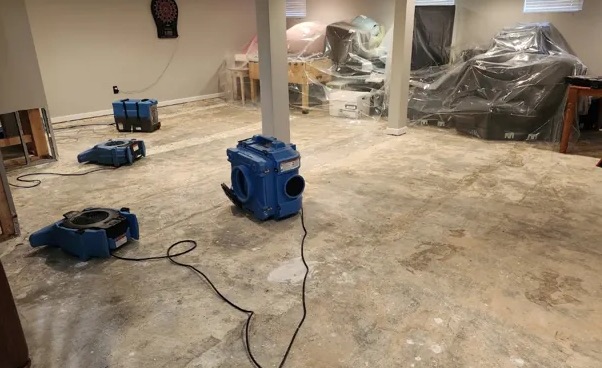
Rapid Structural Drying Solutions in Lone Tree, Colorado
Concrete slabs, subfloors and wall studs all absorb moisture at different rates. Incomplete drying leaves residual dampness that weakens structures over time.
Structural moisture removal in Lone Tree addresses both visible and hidden water damage in homes and businesses. Service areas include nearby locations like Centennial, Highlands Ranch and Castle Pines for added convenience.
Advanced Rapid Structural Drying Processes
Structural Dehumidification
After water extraction, dehumidification tackles the remaining vapor. Structural dehumidification creates a drying gradient, pulling moisture from wet materials into the drier air.
Flood Drying Services
Widespread flooding presents a unique drying challenge. Services for this scenario involve creating drying chambers and managing airflows across large spaces.
Subfloor Drying
In many water damage situations, the subfloor is critically affected. Subfloor drying prevents costly replacement by using specialized equipment like LGR dehumidifiers and directed airflow.
Concrete Slab Drying
Drying a concrete foundation slab is a slow, methodical task. It requires creating a dry air environment above the slab to encourage moisture evaporation from its surface.
Wall Cavity Drying
Interior walls can absorb significant moisture from leaks or floods. Wall cavity drying involves accessing the space between studs to direct airflow and desiccant dehumidification.
Indications for Rapid Structural Drying
Peeling Paint or Wallpaper
Paint or wallpaper that is blistering and peeling is often caused by hidden moisture behind the surface.
Water Pooling in Crawl Spaces
Standing water under your home puts floor framing at risk and needs pumping and drying.
Squeaking or Soft Floor Areas
Unusual noises or soft spots when walking indicate compromised subflooring from water damage that needs assessment.
Visible Water Stains on Walls
Yellow or brown stains on drywall or ceilings mean water got into the material and may still be inside.
How Rapid Structural Drying Works in Lone Tree
Step 1: Water Extraction and Containment
The process begins with extracting any standing water, then containing the affected area to prevent moisture migration to dry parts of the building.
Step 2: Professional Drying Equipment Deployment
Powerful desiccant and refrigerant dehumidifiers are deployed alongside air movers to aggressively remove moisture from the air and building materials.
Step 3: Focused Crawl Space and Slab Drying
Hard areas get specific methods, such as ducted air for crawl spaces and floor mats for concrete slabs.
Step 4: Final Moisture Validation and Documentation
Final moisture readings are taken and documented with photos and reports for your insurer, confirming the structure is dry and stable.
What Leads to Needing Rapid Structural Drying
Overflowing Sinks or Bathtubs
A bathroom overflow can send water under flooring and into wall cavities, where it stays hidden.
Clogged Gutters and Downspouts
When gutters overflow, water pools against the foundation and can seep into crawl spaces, slabs and lower walls.
Foundation Cracks and Water Seepage
Cracks in a foundation or basement wall permit groundwater intrusion, which can saturate concrete slabs and framing.
HVAC System Condensation Issues
Clogged drain lines or faulty condensate pumps from air handlers can cause significant water damage inside walls and ceilings.
Rapid Structural Drying for Homes and Businesses
Residential Rapid Structural Drying
Subfloor drying preserves the stability of residential floors. Water damage pros use injectidry systems and floor mat drying to extract moisture from between joists without removing the finished flooring above.
Commercial Rapid Structural Drying
Restaurants and hotels need kitchen subfloors and guest room walls dried quickly. The pros use commercial extraction and drying equipment and work around service hours.
Why DIY Rapid Structural Drying Often Fails
You can pull up soaked rugs and padding so the subfloor can start drying. Check other rooms for signs of spreading moisture, such as damp baseboards or swelling trim.
Rapid Structural Drying Cost in Lone Tree, CO
Pricing for emergency structural drying in Lone Tree varies based on the category of water involved and the required drying time. Dehumidification and moisture mapping add to the total.
Moisture Mapping Scope
Detailed moisture mapping services to track drying progress across a structure require additional time and diagnostic tools from the pros.
Secondary Damage Prevention
Efforts to prevent mold growth during the drying process, such as applying antimicrobials, can be a factor in the service cost.
Affected Structural Materials
Drying dense materials like concrete slabs or enclosed wall cavities demands specialized techniques and longer durations than drying open areas.
Does Insurance Cover Rapid Structural Drying?
Commercial structural drying may be covered under a business property policy if the water damage is from a covered event. The business owner should initiate the claim and provide all documentation to their insurer.
The Importance of Expert Rapid Structural Drying
IICRC-Standard Drying Methods
Drying follows set targets checked with meters, which prevents damage from moisture left behind.
Advanced Moisture Detection
Tools like thermal imagers and moisture meters are used for accurate moisture mapping to find hidden water.
Industrial-Grade Drying Equipment
High-capacity air movers and dehumidifiers dry crawl spaces and concrete slabs, which hold water longest.
Emergency Structural Drying Response
A plumbing failure or appliance leak can soak framing and subfloors within hours. Call (719) 666-5984 to start rapid structural drying.
Call Now (719) 666-5984Rapid Structural Drying in Lone Tree and Nearby Areas
The pros dry homes and businesses in Lone Tree after water damage, and also serve nearby locations including Centennial, Highlands Ranch and Castle Pines.
- Rapid Structural Drying in Centennial
- Rapid Structural Drying in Highlands Ranch
- Rapid Structural Drying in Castle Pines
- Rapid Structural Drying in Louviers
- Rapid Structural Drying in Sedalia
- Rapid Structural Drying in Parker
- Rapid Structural Drying in Littleton
- Rapid Structural Drying in Sterling Ranch
- Emergency Damage Restoration in 80124
- Storm Damage Restoration in 80124
- Water Damage Restoration in 80124
- Water Extraction Service in 80124
- Water Leak Detection in 80124
- Water Removal Service in 80124
Frequently Asked Rapid Structural Drying Questions
What is involved in subfloor drying?
Subfloor drying involves using specialized air movers and dehumidifiers to draw moisture out of the wooden or concrete layer beneath flooring, often requiring access panels or strategic placement of equipment.
What are moisture mapping services?
Moisture mapping services involve using meters and sensors to create a visual record of moisture levels throughout a structure, guiding the drying process and verifying when materials are dry.
What is the goal of commercial structural drying?
The goal of commercial structural drying is to quickly restore a safe, dry environment for business operations by removing moisture from building materials and contents to prevent long-term damage.
What equipment is used for water mitigation drying?
Water mitigation drying utilizes industrial air movers for evaporation, high-capacity dehumidifiers to remove vapor, and moisture meters to monitor progress throughout the structural drying process.
How does drying differ for residential structural drying?
Residential structural drying often involves navigating living spaces, personal belongings, and varied construction materials, with a focus on restoring habitability and protecting the home's value.