Greenwood, CO · Custer County
Basement Water Removal in Greenwood, COBasement Water Pump Out & Basement Moisture Inspection
Basement Water Removal in Greenwood runs from basement water pump out and basement drying services to basement dehumidification.
Answered 24/7
Reliable Basement Water Removal Near Greenwood, Colorado
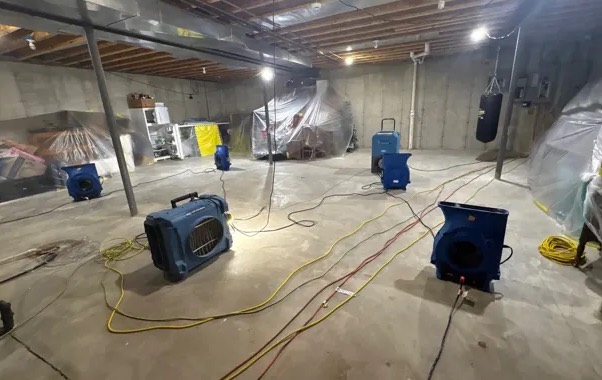
Dehumidification is the slow but necessary part of basement water removal in Greenwood. Pumps remove standing water quickly, but walls and concrete keep releasing moisture for days.
In Greenwood, when a basement or below-grade room takes on water, it usually follows heavy rain, a sewer backup or a burst pipe. Local water damage pros serve Greenwood, Wetmore, Coal Creek and Beulah Valley, pumping water out and drying the space.
Specialized Basement Water Removal for Greenwood
Basement Water Pump Out
When water is more than an inch or two deep, pumps move it far faster than wet vacs, which limits how long walls sit in water.
Basement Moisture Inspection
An inspection shows how high water wicked up the walls and how far it spread under flooring, which sets the drying plan.
Emergency Basement Flooding
A flooded basement threatens the furnace, water heater and anything stored on the floor. Fast pumping protects what can still be saved.
Basement Wall Drying
Opening the bottom of finished walls lets air reach the studs and sill plate, which otherwise stay wet behind the drywall.
Basement Floor Water Damage
Concrete floors are squeegeed, extracted and dried with airflow and dehumidifiers until moisture readings drop.
When to Call for Basement Water Removal in Greenwood
Efflorescence on Concrete Walls
White, powdery deposits on concrete walls mean water is passing through the masonry.
Mold or Mildew
Dark spots on drywall, framing or stored items mean the area has stayed wet for days.
Gurgling Sounds From Drains
Gurgling floor drains or slow drains can be an early sign of a sewer line problem.
Soggy or Wet Carpeting
Carpet that feels damp or smells sour is holding water in the pad against the concrete.
How Basement Water Removal Works in Greenwood
Step 1: First Call and Initial Assessment
The source, the type of water and the depth are checked, and the water level is photographed.
Step 2: Bulk Water and Contaminant Removal
Pumps remove standing water, and carpet, pad or drywall touched by dirty water is removed.
Step 3: Drying With Monitoring
Dehumidifiers and air movers run around the clock, with readings logged every day on walls and slab.
Step 4: Post-Drying Evaluation and Documentation
Final readings and photos are compiled to show the basement is dry and what was removed.
Sources of Basement Water Problems
Improper Landscape Grading
Soil that slopes toward the house directs rainwater straight to the basement walls.
High Water Table and Hydrostatic Pressure
A high water table presses groundwater against the slab and walls, forcing it inside.
Foundation Cracks and Seepage
Cracks in foundation walls and the slab let groundwater seep in during wet weather.
Sump Pump Malfunction or Power Loss
A sump pump that fails mechanically or loses power during a storm lets groundwater rise.
Both Residential & Commercial Basement Water Removal
Residential Basement Water Removal
In homes, a wet basement often means damaged carpet, drywall and stored belongings, plus a furnace or water heater sitting in water. Water is pumped out and the space dried.
Commercial Basement Water Removal
In commercial buildings, basements often house mechanical rooms and storage. Water is removed quickly so systems can be checked and restarted safely.
Basement Water Removal vs. DIY: When to Call the Pros
Fans by themselves can spread damp basement air through the rest of the house. Basement drying needs dehumidifiers that pull moisture out of both the air and the concrete.
What Influences the Price of Basement Water Removal
In Greenwood, the drying phase usually costs more than the pumping, because basements need equipment running for several days.
Access and Complexity
Narrow stairs, low ceilings and crowded storage areas make the work slower and longer.
Affected Materials
Finished walls, carpet and laminate take more removal work than bare concrete.
Drying Time Required
Basements dry slowly, and each extra day of equipment adds to the total.
Does Insurance Cover Basement Water Removal?
Many homeowner policies cover sudden basement water from a burst pipe but not groundwater seepage. Sewer backup coverage is often an add-on, so check yours.
Advantages of Local Basement Water Removal Experts
Detailed Damage Documentation
Photos, readings and drying logs are kept to support your insurance claim.
Industry Drying Standards
Water removal and drying follow industry water damage standards, with readings at every visit.
Post-Service Moisture Verification
Final readings are recorded before equipment leaves, so you know the basement is dry.
24/7 Emergency Basement Water Removal in Greenwood
Storm night, weekend or holiday, the pros handle basement water in Greenwood. Call (719) 666-5984 to get pumps running and drying started.
Call Now (719) 666-5984Communities Served for Basement Water Removal
The places below are also served, and each one has its own page.
Answers to Top Basement Water Removal Queries
Why is basement dehumidification important after pumping?
Walls and concrete keep releasing moisture for days. Dehumidifiers remove it so the basement does not stay damp.
Can wet drywall in a basement be saved?
Sometimes, if the water was clean and removed quickly. Soaked or contaminated drywall is cut out above the water line.
What is involved in basement water removal?
Making power safe, pumping out standing water, extracting floors and carpet, removing soaked materials and dehumidifying until dry.
What is the difference between a pump out and extraction?
A pump out removes deep standing water. Extraction pulls the remaining water from carpet, pad and floors.
Is a sump pump failure an emergency?
Yes, especially during rain. Groundwater can rise quickly once the pump stops, flooding the floor and finished rooms.