St. Charles Mesa, CO
Basement Water Damage Restoration in St. Charles Mesa, COBasement Dehumidification & Basement Mold Prevention
Get basement water damage restoration in St. Charles Mesa for basement floor water removal, basement mold prevention and basement drying services.
Answered 24/7
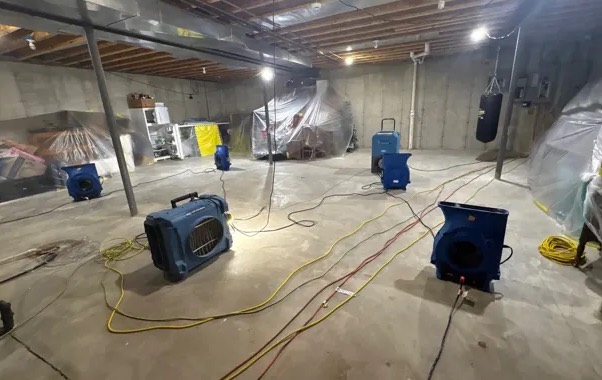
Expert Basement Water Damage Restoration Serving St. Charles Mesa
Sewage backups are one of the most common problems in any basement or lower level, including in St. Charles Mesa. Water coming up through a floor drain or basement toilet carries bacteria and needs a different cleanup than clean water.
The Basement Water Damage Restoration Process in St. Charles Mesa
Basement Dehumidification
Dehumidification continues until humidity and material readings are normal. Turning it off too early lets moisture return.
Basement Mold Prevention
Fast extraction and drying are the main ways to limit microbial growth in a basement. Surfaces that stayed wet can be treated once dry.
Basement Floor Water Removal
Water on a concrete floor is squeegeed and extracted, and floor coverings such as carpet, vinyl or laminate are lifted to dry the slab.
Basement Water Extraction
Submersible pumps remove deep standing water, then portable extractors pull water from carpet, pad and the concrete floor.
Basement Wall Drying
Wet drywall is cut back above the water line when it is soaked, and the wall cavity and insulation behind it are dried or replaced.
Warning Signs You Need Basement Water Damage Restoration
Standing Water in the Basement
Any standing water on the basement floor needs pumping right away, before it soaks walls and framing.
Damp or Musty Odors
A damp, earthy or musty smell in the basement often means hidden moisture in walls, carpet or the slab.
Rusted Appliances or Pipes
Rust on the water heater, furnace base or pipes points to repeated moisture or past flooding.
Peeling Paint or Wallpaper
Paint that peels or blisters on basement walls often has moisture behind it.
How Basement Water Damage Restoration Works in St. Charles Mesa
Step 1: Floodwater Pump-Out
Submersible pumps remove deep water, and electrical hazards are checked before anyone walks in it.
Step 2: Deep Moisture Extraction
Extractors pull water from carpet, pad and the concrete floor after the deep water is gone.
Step 3: Air Circulation and Drying
Air movers keep dry air moving across walls and floors throughout the basement.
Step 4: Dehumidification and Verification
Dehumidifiers run until humidity and material readings confirm the basement is dry.
Why Basement Water Damage Occurs in St. Charles Mesa
Stormwater Runoff Into Lower Levels
Heavy rain running off hard ground or a sloped yard can pour down stairwells and under doors into below-grade rooms.
Sewer Line Backups
A blocked or overloaded sewer line pushes wastewater up through basement drains and toilets.
Foundation Cracks and Leaks
Cracks in foundation walls let groundwater and melting snow seep into the basement.
Clogged Floor Drains
A floor drain blocked by debris cannot carry off water from a leak or overflow, so it spreads across the basement floor.
Both Residential & Commercial Basement Water Damage Restoration in St. Charles Mesa
Residential Basement Water Damage Restoration
Homeowners with older basements may have seepage that returns with each storm. Drying fixes the current damage, and the source is noted for a waterproofing contractor.
Commercial Basement Water Damage Restoration
Apartment and condo buildings with shared basements or lower levels may have laundry and storage below grade. Each area is extracted, dried and recorded for the building manager.
Basement Water Damage Restoration vs. DIY: When to Call the Pros
Fans alone can push damp air into the rest of the house. Basement drying needs dehumidifiers to pull the moisture out of the air and the concrete.
Understanding Basement Water Damage Restoration Pricing in St. Charles Mesa
Waterproofing or sump pump replacement is a separate cost from water removal and drying. In St. Charles Mesa, both may be needed to prevent a repeat.
Secondary Damage
Damage to furnaces, water heaters and belongings adds repair and replacement costs.
Water Category
Clean water costs less to handle than sewage, which needs protective gear, removal and disinfection.
Affected Square Footage
Larger basements need more extraction, more drying equipment and more days of drying time.
Does Insurance Cover Basement Water Damage Restoration?
Photograph the water level, damaged belongings and appliances before cleanup starts, and keep receipts for emergency pumping and drying to send to your insurer.
Reasons to Hire Local Pros for Basement Water Damage Restoration in St. Charles Mesa
Mold Prevention Focus
Fast drying is the main way to limit microbial growth in a below-grade space.
Advanced Moisture Detection
Moisture meters and thermal cameras find water in walls and slabs that looks dry.
Industry Drying Standards
Drying follows industry water damage standards, with readings taken at every visit.
St. Charles Mesa Emergency Basement Water Damage Restoration Response
Every hour of standing water in a basement means more drywall and flooring to replace. Call (719) 666-5984 for basement water damage restoration in St. Charles Mesa.
Call Now (719) 666-5984Local Basement Water Damage Restoration Coverage: St. Charles Mesa and Beyond
Help with basement water damage restoration is available across St. Charles Mesa, including basement water extraction and basement drying services.
- Basement Water Damage Restoration in Aguilar
- Basement Water Damage Restoration in Air Force Academy
- Basement Water Damage Restoration in Alma
- Basement Water Damage Restoration in Avondale
- Basement Water Damage Restoration in Bailey
- Basement Water Damage Restoration in Beulah Valley
- Basement Water Damage Restoration in Black Forest
- Basement Water Damage Restoration in Blende
FAQ for Basement Water Damage Restoration in St. Charles Mesa
Does basement mold prevention need special steps after flooding?
Fast drying is the main step. Wood and concrete that stayed wet can be treated with an antimicrobial once dry.
What causes the most common below-grade leaks in homes?
Sump pump failures, foundation cracks, clogged drain tile, sewer backups and burst pipes in the basement ceiling.
Why is quick action important for below-grade flood restoration?
Basements dry slowly, so every hour of standing water adds days of drying and more material to replace.
How soon should I call for basement water extraction after a leak?
Right away. Water wicks up drywall and soaks framing within hours, and below-grade spaces are slow to dry.
How is basement sewer backup cleanup different from regular flooding?
Sewage carries bacteria, so it needs protective gear, removal of porous materials and disinfection before drying.