Guffey, CO · Park County
Basement Water Damage Restoration in Guffey, COBasement Water Extraction & Basement Dehumidification
Basement Water Damage Restoration in Guffey runs from basement water extraction and basement floor water removal to basement dehumidification.
Answered 24/7
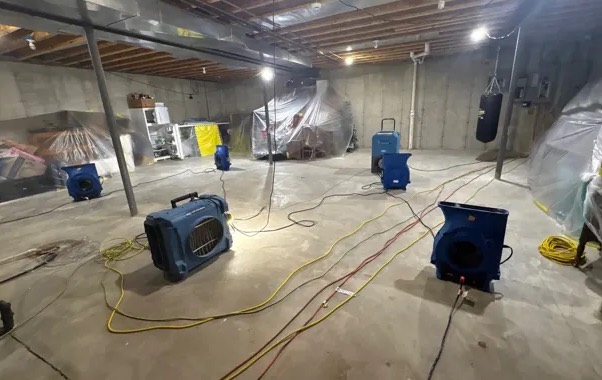
Basement Water Damage Restoration for Guffey Homes
In a Guffey home with a basement and a sump pump, a pump that fails during heavy rain lets water rise fast. Furnaces, water heaters, washers and stored belongings all sit at floor level and take the damage first.
One burst pipe or heavy storm in Guffey can flood a basement. Local restoration pros serve Guffey and nearby Lake George, Florissant and Cripple Creek, with help available around the clock.
The Basement Water Damage Restoration Process in Guffey
Basement Water Extraction
Basement water is removed before drying starts, because every gallon left behind keeps the walls and air damp.
Basement Dehumidification
Dehumidification continues until humidity and material readings are normal. Turning it off too early lets moisture return.
Basement Drying Services
Air movers and dehumidifiers are placed to dry walls, framing and the slab. Below-grade rooms dry slowly, so readings are taken daily.
Basement Sewer Backup Cleanup
After a sewer backup, cleanup and disinfection come before drying, so contaminated surfaces are not left in place.
Basement Mold Prevention
Fast extraction and drying are the main ways to limit microbial growth in a basement. Surfaces that stayed wet can be treated once dry.
How to Know You Need Basement Water Damage Restoration in Guffey
Condensation on Windows or Pipes
Water beading on cold pipes or basement windows shows high humidity that keeps materials damp.
Efflorescence on Concrete Walls
White, chalky deposits on concrete walls mean water is moving through the concrete and leaving minerals behind.
Mold on Surfaces
Dark spots on drywall, framing or stored boxes mean the area has stayed wet for days.
High Humidity Levels Below-Grade
A basement that stays damp and clammy even on dry days has a moisture source that needs attention.
How Basement Water Damage Restoration Works in Guffey
Step 1: Floodwater Pump-Out
Submersible pumps remove deep water, and electrical hazards are checked before anyone walks in it.
Step 2: Deep Moisture Extraction
Extractors pull water from carpet, pad and the concrete floor after the deep water is gone.
Step 3: Air Circulation and Drying
Air movers keep dry air moving across walls and floors throughout the basement.
Step 4: Dehumidification and Verification
Dehumidifiers run until humidity and material readings confirm the basement is dry.
Typical Sources of Basement Water Damage in Guffey
Sump Pump Mechanical Failure
A sump pump that fails, loses power or is too small lets groundwater rise into the basement.
Failed or Clogged Drain Tile
Clogged or collapsed drain tile around the foundation lets water build up against the walls.
High Water Table and Hydrostatic Pressure
A high water table pushes groundwater up through the slab and into the joints between wall and floor.
Clogged Floor Drains
A floor drain blocked by debris cannot carry off water from a leak or overflow, so it spreads across the basement floor.
Both Residential & Commercial Basement Water Damage Restoration in Guffey
Residential Basement Water Damage Restoration
A sewer backup in a home basement needs contaminated carpet, pad and drywall removed and every hard surface disinfected before drying.
Commercial Basement Water Damage Restoration
In restaurants and stores with basements, sewage backups need fast containment so contamination does not reach food or customer areas.
Basement Water Damage Restoration vs. DIY: When to Call the Pros
If a small leak left a puddle on bare concrete, a wet vac and a dehumidifier may be enough. Call local restoration pros if water reached drywall, carpet or framing, or if it came from a sewer drain.
Cost Considerations for Basement Water Damage Restoration in Guffey
In Guffey, basement jobs often run longer than upper-floor jobs because concrete dries slowly. Equipment days make up much of the bill.
Water Category
Clean water costs less to handle than sewage, which needs protective gear, removal and disinfection.
Access Complexity
Narrow stairs, low ceilings and stored contents can make the work slower.
Drying Time Required
Basements dry slowly, and longer drying means more equipment days and monitoring visits.
Does Insurance Cover Basement Water Damage Restoration?
Coverage for groundwater seepage and backups varies widely between policies. Ask your adjuster whether your policy includes it before work begins.
Benefits of Local Pros for Basement Water Damage Restoration in Guffey
Industry Drying Standards
Drying follows industry water damage standards, with readings taken at every visit.
Industrial-Grade Equipment
Pumps, extractors and large dehumidifiers remove water much faster than household wet vacs and fans.
Mold Prevention Focus
Fast drying is the main way to limit microbial growth in a below-grade space.
Round-the-Clock Emergency Basement Water Damage Restoration in Guffey
Sewage coming up through a floor drain? Stop using water in the house and call (719) 666-5984 now for basement water damage restoration in Guffey.
Call Now (719) 666-5984Local Basement Water Damage Restoration Coverage: Guffey and Beyond
The places below are also served, and each one has its own page.
- Basement Water Damage Restoration in Lake George
- Basement Water Damage Restoration in Florissant
- Basement Water Damage Restoration in Cripple Creek
- Basement Water Damage Restoration in Victor
- Basement Water Damage Restoration in Texas Creek
- Basement Water Damage Restoration in Hartsel
- Basement Water Damage Restoration in Divide
- Basement Water Damage Restoration in Como
- Emergency Damage Restoration in 80820
- Storm Damage Restoration in 80820
- Water Damage Restoration in 80820
- Water Extraction Service in 80820
- Water Leak Detection in 80820
- Water Removal Service in 80820
Frequently Asked Questions About Basement Water Damage Restoration
Can wet basement drywall be saved after water damage?
Sometimes, if the water was clean and removed quickly. Soaked or sewage-contaminated drywall is cut out above the water line.
Should I try below-grade waterproofing myself after flooding?
Sealing a small crack can be a DIY job, but drying must come first, and larger waterproofing work should go to a contractor.
What equipment is used for below-grade water damage repair?
Submersible pumps, extractors, air movers, large dehumidifiers, moisture meters and air scrubbers for dust and odor.
Does basement mold prevention need special steps after flooding?
Fast drying is the main step. Wood and concrete that stayed wet can be treated with an antimicrobial once dry.
How is basement sewer backup cleanup different from regular flooding?
Sewage carries bacteria, so it needs protective gear, removal of porous materials and disinfection before drying.