Genesee, CO · Jefferson County
Basement Water Damage Restoration in Genesee, COBasement Floor Water Removal & Basement Drying Services
Basement Water Damage Restoration in Genesee runs from basement water extraction and basement floor water removal to basement dehumidification.
Answered 24/7
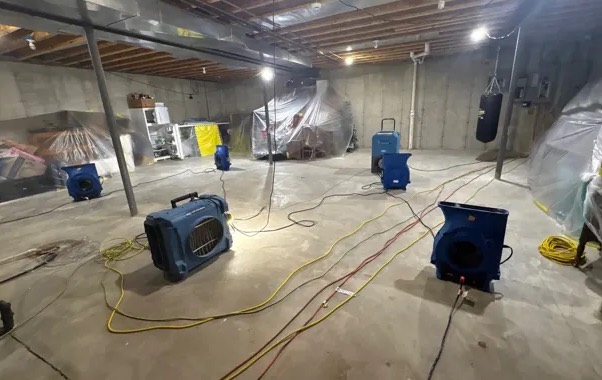
Basement Water Damage Restoration for Genesee Homes
A basement dries slower than any other part of a house. The air is cool, there is little sunlight and the concrete holds moisture for a long time. In Genesee, that makes extraction and steady dehumidification important.
Homes in Genesee and nearby Idledale, Kittredge and Evergreen with basements deal with seepage, plumbing leaks and sewer backups. Help with basement water damage restoration covers pumping, removal of wet materials and drying of walls and concrete.
Complete Basement Water Damage Restoration for Genesee
Basement Floor Water Removal
A slab can look dry on top while still holding water. Moisture readings show when it is ready for new flooring.
Basement Drying Services
Equipment is adjusted each day based on moisture readings until every material reaches its normal level.
Basement Mold Prevention
Keeping basement humidity low after drying helps prevent mold from returning, especially in finished spaces.
Basement Water Extraction
Submersible pumps remove deep standing water, then portable extractors pull water from carpet, pad and the concrete floor.
Basement Sewer Backup Cleanup
Sewage that backs up through a floor drain or toilet is extracted with protective gear, and the area is contained from the rest of the house.
Warning Signs You Need Basement Water Damage Restoration
Wet or Stained Basement Walls
Dark, wet patches or tide lines on basement walls show where water seeped in or wicked up.
Efflorescence on Concrete Walls
White, chalky deposits on concrete walls mean water is moving through the concrete and leaving minerals behind.
Peeling Paint or Wallpaper
Paint that peels or blisters on basement walls often has moisture behind it.
Standing Water in the Basement
Any standing water on the basement floor needs pumping right away, before it soaks walls and framing.
How Basement Water Damage Restoration Works in Genesee
Step 1: Source Control and Extraction
The pipe is shut off, the sump restarted or the backup stopped, then the water is pumped out.
Step 2: Structural Drying Setup
Lower drywall is removed where soaked, and equipment is placed to dry wall cavities and the slab.
Step 3: Contaminant Removal
Materials touched by sewage or dirty water are removed and hard surfaces are cleaned and disinfected.
Step 4: Monitoring and Completion
Daily readings track drying until every material is normal, then equipment is removed.
Frequent Sources of Water Damage in Genesee
Water Heater or Appliance Leaks
Water heaters, washers and utility sinks in the basement can leak or fail without warning.
Overland Flooding From Storms
Heavy storms and snowmelt can send surface water into basements through doors and walls.
Stormwater Runoff Into Lower Levels
Heavy rain running off hard ground or a sloped yard can pour down stairwells and under doors into below-grade rooms.
Window Well Flooding
Window wells without drains or covers fill with rain and leak through basement windows.
Residential and Commercial Basement Water Damage Restoration in Genesee
Residential Basement Water Damage Restoration
Homeowners with older basements may have seepage that returns with each storm. Drying fixes the current damage, and the source is noted for a waterproofing contractor.
Commercial Basement Water Damage Restoration
Apartment and condo buildings with shared basements or lower levels may have laundry and storage below grade. Each area is extracted, dried and recorded for the building manager.
When to DIY and When to Call the Pros for Basement Water Damage Restoration
Fans alone can push damp air into the rest of the house. Basement drying needs dehumidifiers to pull the moisture out of the air and the concrete.
Understanding Basement Water Damage Restoration Pricing in Genesee
Before pricing basement water damage restoration in Genesee, the pros check the water depth, the type of water and what the basement is finished with.
Emergency Service
Night, weekend and storm calls can cost more than a scheduled visit.
Water Category
Clean water costs less to handle than sewage, which needs protective gear, removal and disinfection.
Secondary Damage
Damage to furnaces, water heaters and belongings adds repair and replacement costs.
Does Insurance Cover Basement Water Damage Restoration?
Coverage for groundwater seepage and backups varies widely between policies. Ask your adjuster whether your policy includes it before work begins.
Benefits of Local Pros for Basement Water Damage Restoration in Genesee
Industry Drying Standards
Drying follows industry water damage standards, with readings taken at every visit.
Industrial-Grade Equipment
Pumps, extractors and large dehumidifiers remove water much faster than household wet vacs and fans.
Structural Integrity Assessment
Walls, stairs and framing are checked for damage before work begins in the basement.
24/7 Emergency Basement Water Damage Restoration in Genesee
Every hour of standing water in a basement means more drywall and flooring to replace. Call (719) 666-5984 for basement water damage restoration in Genesee.
Call Now (719) 666-5984Local Basement Water Damage Restoration Coverage: Genesee and Beyond
Besides Genesee, local water removal pros handle basement pumping, drying and dehumidification in nearby Idledale, Kittredge and Evergreen.
- Basement Water Damage Restoration in Idledale
- Basement Water Damage Restoration in Kittredge
- Basement Water Damage Restoration in Evergreen
- Basement Water Damage Restoration in Morrison
- Basement Water Damage Restoration in Indian Hills
- Basement Water Damage Restoration in Ken Caryl
- Basement Water Damage Restoration in Conifer
- Basement Water Damage Restoration in Littleton
Basement Water Damage Restoration Common Questions Answered
Should I try below-grade waterproofing myself after flooding?
Sealing a small crack can be a DIY job, but drying must come first, and larger waterproofing work should go to a contractor.
What is the priority during emergency basement flood cleanup?
Safety first, especially electrical hazards, then stopping the source and pumping out the water as quickly as possible.
How long does below-grade drying take after a flood?
Often several days or longer, since concrete and cool basement air dry slowly. Daily readings show progress.
Does basement mold prevention need special steps after flooding?
Fast drying is the main step. Wood and concrete that stayed wet can be treated with an antimicrobial once dry.
What does below-grade moisture removal include beyond pumping?
Extracting carpet and pad, opening wet walls, running air movers and dehumidifiers, and checking readings until dry.