Williamsburg, CO · Fremont County
Attic Water Extraction in Williamsburg, COAttic Mold Prevention & Attic Drying Services
Homeowners in Williamsburg get Attic Water Extraction for emergency attic water extraction, attic mold prevention and attic moisture inspection.
Answered 24/7
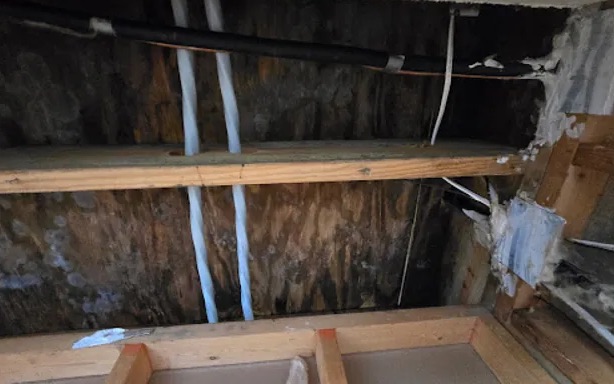
Local Attic Water Extraction Services in Fremont County
In Williamsburg, the first sign of attic water is often a brown stain or a bulge in an upstairs ceiling. By then, insulation above it may already be soaked and holding water against the drywall.
Homeowners in Williamsburg can call (719) 666-5984 day or night when water is coming through the ceiling. Service also covers Rockvale, Coal Creek and Florence, with the same extraction and drying steps.
Detailed Attic Water Extraction Offerings in Williamsburg
Attic Mold Prevention
Once wood is dry, roof decking and rafters that stayed wet can be treated with an antimicrobial to slow microbial growth.
Attic Drying Services
Attic ventilation affects drying time. Dehumidifiers pull moisture from the air while air movers push dry air over wet wood.
Roof Leak Water Removal
Roof leaks often show up far from where they start. Moisture meters trace the water back along the decking to its entry point.
Attic Leak Water Cleanup
Water from a roof or plumbing leak usually runs along rafters before it drips. Cleanup follows that path and removes water wherever it pooled.
Wet Attic Insulation Removal
Soaked insulation holds water like a sponge and keeps the ceiling below wet. It is bagged and removed so the area underneath can dry.
Warning Signs You Need Attic Water Extraction in Williamsburg
Peeling Paint or Wallpaper
Paint that bubbles or peels on upstairs ceilings often has water behind it.
Insect Infestations in Attic
Wet wood draws insects, so new activity in the attic can be a sign of an ongoing leak.
Condensation on Attic Surfaces
Droplets or damp patches on the underside of the roof decking point to a moisture and ventilation problem.
Puddles or Standing Water
Pooled water on the attic floor or on top of drywall needs extraction right away.
How Attic Water Extraction Works in Williamsburg
Step 1: Safety Assessment and Water Containment
Wet fixtures are shut off, the room below is protected and buckets catch active drips.
Step 2: Bulk Water Extraction
Wet vacs and pumps remove standing water from between joists and on top of the drywall.
Step 3: Targeted Drying of Affected Materials
Airflow is aimed at the wettest wood and drywall, and equipment is moved as areas dry.
Step 4: Documentation for Restoration
Photos, readings and a list of removed materials are prepared for insurance and repairs.
Common Causes of Attic Water Damage in Williamsburg
Ice Dam Formation on Roof
Ice dams at the roof edge back melting snow up under the shingles and into the attic.
Aging or Deteriorated Roofing Materials
Old, curled or cracked shingles and worn underlayment let water through during heavy rain.
Roof Leaks From Storm Damage
Wind and hail can lift or break shingles, letting rain reach the decking and the attic floor.
Skylight or Chimney Flashing Failure
Worn flashing around skylights and chimneys lets rain run down into the attic.
Residential & Commercial Attic Water Extraction in Williamsburg
Residential Attic Water Extraction
At home, attic water usually ends up on a bedroom or hallway ceiling. Water is extracted from above, wet insulation removed and the ceiling below dried or replaced.
Commercial Attic Water Extraction
In commercial buildings, water above a drop ceiling soaks tiles and insulation across several rooms. Wet tiles come down and the space above them is extracted and dried.
Why DIY Attic Water Extraction Often Fails in Williamsburg
Do not walk on attic drywall between the joists. It will not hold your weight. If water is pooled up there, call (719) 666-5984 instead of trying to reach it.
Evaluating Attic Water Extraction Expenses in Williamsburg
Storm calls, tight attic access, insulation replacement and ceiling repair all add to the total for attic water extraction in Williamsburg.
Required Drying Time
Dense framing and decking can take several days to dry, adding equipment time.
Material Removal Needs
Wet insulation and ceiling drywall that must be removed add labor and disposal costs.
Type of Water Involved
Clean rainwater is simpler to remove than water from a drain line or a dirty source.
Does Insurance Cover Attic Water Extraction?
Many homeowner policies cover sudden storm damage and burst pipes in the attic, but not leaks from worn roofing or poor upkeep. Read your policy and call your insurer early.
Why Choose Local Pros for Attic Water Extraction in Williamsburg
Attic Drying
Framing, decking and the ceiling below are all dried, not just the spot under the leak.
Mold Prevention Focus
Fast drying of attic wood is the main way to limit microbial growth after a leak.
Dehumidification Plan
Dehumidifiers and air movers are placed for the attic's size and airflow, then adjusted daily.
24/7 Attic Water Extraction for Williamsburg Emergencies
Water in the attic soaks the ceiling below fast. Call (719) 666-5984 for attic water extraction in Williamsburg at any hour, including storms and holidays.
Call Now (719) 666-5984Attic Water Extraction Near Williamsburg: Areas Served
Attic extraction and drying also cover homes and buildings in Rockvale, Coal Creek and Florence, close to Williamsburg, at any hour.
Your Attic Water Extraction Questions in Williamsburg, CO
What are signs of hidden attic water damage?
Ceiling stains, a musty smell upstairs, matted insulation, dark spots on decking and rusted nails.
How long does the attic drying process take?
Often several days, depending on how wet the wood is, the attic temperature and how much insulation was removed.
What is the purpose of attic mold prevention?
To slow microbial growth on wood that stayed wet, by drying it quickly and treating it with an antimicrobial if needed.
What follows after the attic is dry?
New insulation can be installed, and ceiling drywall below is repaired, taped and painted.
Why is wet insulation removal often necessary?
Soaked insulation stays wet for a long time, adds weight to the ceiling and loses its insulating value.