Pueblo West, CO · Pueblo County
AC Unit Water Removal in Pueblo West, COAC Leak Water Cleanup & AC Leak Water Extraction
Get AC unit water removal in Pueblo West: AC leak water extraction, wet AC unit component drying and air conditioner restoration services.
Answered 24/7
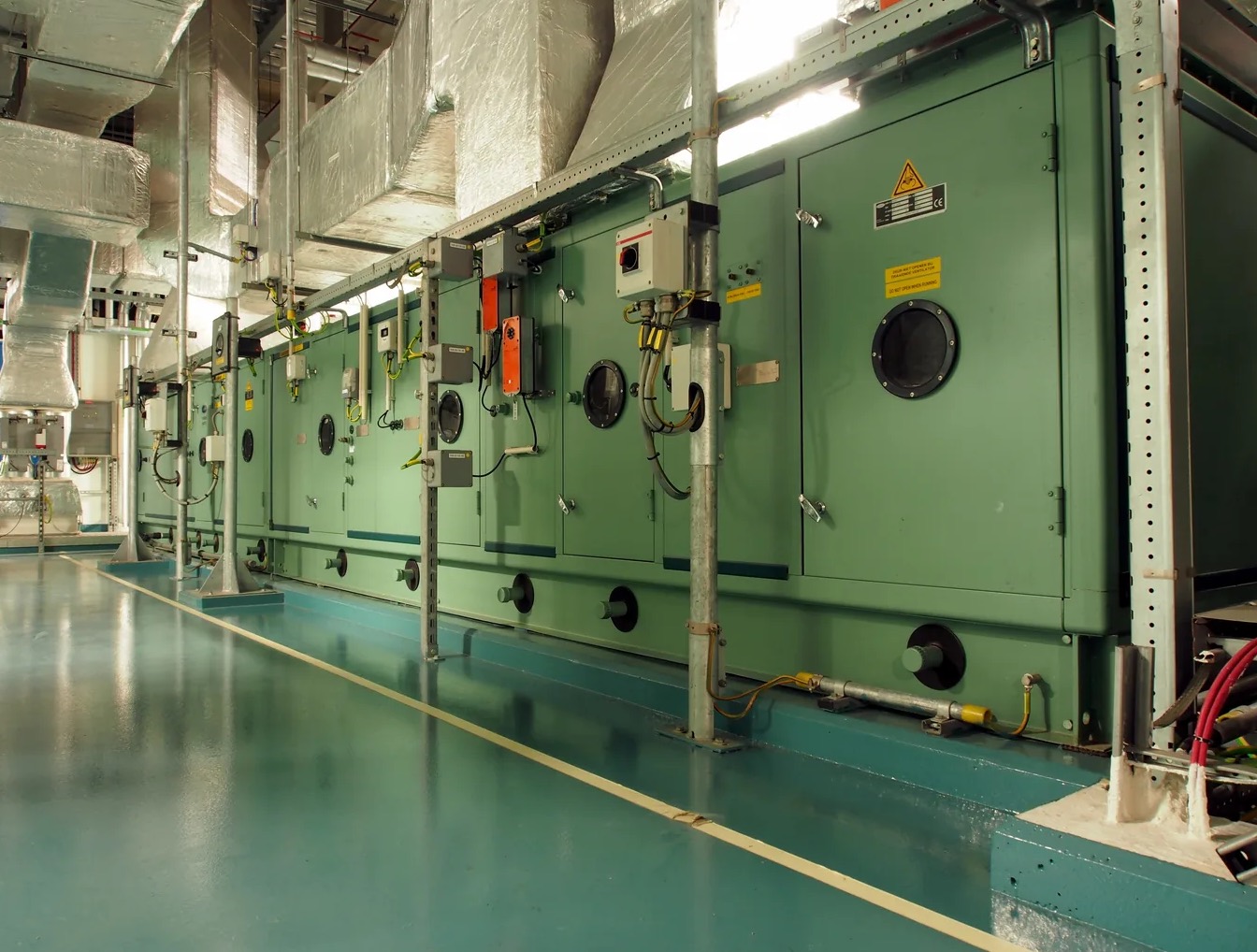
Trusted AC Unit Water Removal for Pueblo West Residents
AC Unit Water Removal in Pueblo West deals with leaks from air handlers, condensate lines and drain pans. Acting early keeps a minor drip from soaking the insulation, the wall framing and the ceiling directly below the unit.
Property owners in Pueblo West can call (719) 666-5984 day or night when an air handler starts leaking. Service also covers Pueblo, Salt Creek and Blende, with the same extraction, drain clearing and drying process for attic, closet and garage units in houses, condos and apartments.
AC Unit Water Removal Services in Pueblo West
AC Leak Water Cleanup
Cleanup starts at the drain pan and works outward, removing pooled water and wet debris so drying can begin.
AC Leak Water Extraction
Water is removed from every wet surface the leak reached, including closets and rooms below an attic air handler.
AC Drain Pan Water Extraction
A soaked pan in an attic unit is a ceiling leak waiting to happen. Extracting it quickly protects the drywall underneath.
AC Condensate Drain Clearing
A clogged condensate line is the most common reason an AC unit leaks. The pros flush out algae and sludge so condensate drains away again.
Emergency AC Water Removal
Help is available day or night for leaks that start after hours, when water dripping from an attic unit cannot wait until morning.
How to Know You Need AC Unit Water Removal in Pueblo West
Wet AC Unit Components
Damp coils, a wet blower compartment or moisture around wiring inside the cabinet mean water is collecting where it should not.
Reduced Cooling Efficiency
A clogged drain can trip a float switch or starve the coil of airflow, so the system runs longer and cools less.
Condensation Line Dripping
A condensate line that drips inside instead of outside has a crack, loose fitting or clog.
AC Unit Circuit Breaker Trips
Water reaching electrical parts can trip the breaker. Shut the unit off and call before resetting it again.
How AC Unit Water Removal Works in Pueblo West
Step 1: AC Leak Water Cleanup
Pooled water is removed from around the air handler and from any rooms or ceilings the leak reached.
Step 2: AC Drain Pan Water Extraction
The primary and secondary pans are emptied and checked for cracks, rust holes or a stuck float switch.
Step 3: Component and Structure Drying
Wet panels, framing and subfloor are dried with targeted airflow and dehumidifiers until readings are normal.
Step 4: Documentation and Prevention
Photos and readings are recorded for insurance, and simple drain upkeep tips are shared to prevent a repeat.
Frequent Sources of AC Water Damage
Disconnected Drain Line
A drain line knocked loose in the attic or closet empties condensate onto the ceiling or floor.
Frozen Evaporator Coils Thawing
A coil that freezes from low airflow sheds a large amount of water at once when it thaws.
Clogged AC Condensation Line
Algae and sludge build up in the drain line over a cooling season until water backs up into the pan.
Damaged AC Drain Pan
Metal pans rust through and plastic pans crack with age, letting water drip straight through.
Both Residential & Commercial AC Unit Water Removal in Pueblo West
Residential AC Unit Water Removal
Attic air handlers in houses leak into bedroom and hallway ceilings. The pan is emptied, the ceiling checked with a meter and wet drywall dried or cut out before it sags.
Commercial AC Unit Water Removal
Commercial systems have larger pans and longer drain runs. Clearing the line and drying ceiling tiles and carpet keeps the space open and safe for staff and customers.
AC Unit Water Removal vs. DIY: When to Call the Pros
Pouring a cup of diluted vinegar into the drain line each season helps prevent algae clogs. Once water spreads past the unit into walls, ceilings or flooring, it is time to call local AC unit water removal pros for extraction and drying.
Factors Influencing AC Unit Water Removal Cost in Pueblo West
In Pueblo West, most of the cost comes from extraction, equipment days and any drywall or insulation that has to be replaced. A walk-through sets the scope before work starts.
Documentation Needs
Detailed photos and moisture logs for an insurance claim add some time to the job.
Secondary Damage Presence
Wet ceilings, swollen baseboards or damp framing add removal and repair work to the job.
Emergency Service Timing
After-hours and holiday response can cost more than a scheduled weekday visit.
Does Insurance Cover AC Unit Water Removal?
Many homeowner policies cover sudden water damage from an AC leak but not repairs to the unit itself or slow leaks from poor upkeep. Read your policy and call your insurer early.
Benefits of Local Pros for AC Unit Water Removal in Pueblo West
Focus on Component Preservation
Wet blower motors and wiring are dried gently to lower the risk of corrosion and electrical faults.
24/7 Emergency Response
Help is available any hour, which matters when an attic unit starts leaking into a ceiling at night.
Industry Drying Standards
Drying follows industry water damage standards, with moisture readings at each visit.
Round-the-Clock Emergency AC Unit Water Removal in Pueblo West
AC leaking into a ceiling or floor in Pueblo West? Shut the unit off at the thermostat, move belongings out of the way and call (719) 666-5984. Help is available 24/7.
Call Now (719) 666-5984AC Unit Water Removal Throughout Pueblo West and Beyond
Other places served are listed below, each with its own page.
Common AC Unit Water Removal Questions Answered
Can an AC condensation leak damage the ceiling?
Yes. Attic units leak straight into the drywall below, causing stains, sagging and eventually collapse if left alone.
Can a wet AC unit be saved after a leak?
Often yes. Components are dried gently and checked, but an HVAC contractor should inspect electrical parts before the unit runs again.
How quickly should I deal with an AC leak?
Right away. Water that sits for more than a day or two soaks into drywall and insulation and raises the risk of microbial growth.
Why document AC water damage?
Photos and moisture readings show what got wet and how it was dried, which helps your insurance claim.
How does antimicrobial treatment help after an AC leak?
Once surfaces are dry, an antimicrobial can be applied to wood and drywall that stayed wet to slow microbial growth.